A Brief Note on Andal & Thiruppavai
लक्ष्मीनाथ समारंभाम् नाथ यामुन मध्यमाम् । अस्मदाचार्य पर्यन्ताम् वन्दे गुरु परम्पराम् ॥
श्रीमते भगवते रामानुजाय नम: । श्रीमते निगमान्त महादेशिकाय नम: ।
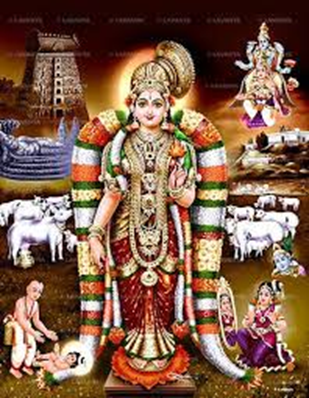
Andal Nachiyar also known as Goda Devi was a great Tamil Poet and a devotee of Krishna. She was daughter of Periyalwar (Shri Vishnu Chitta), Poet, Temple Archakar of Shri Villiputhur, in Pandya Kingdom, Tamil Nadu. Andal is believed as incarnation of Bhudevi. Like Sita she was found by Periyalwar while digging earth in his flower garden near Tulasi plant. Her time period is believed to be 800 BCE. Both Andal and Periyalwar are among 12 Alwars ( Alwar means immersed – immersed in Vishnu Bhakti), ardent followers of Lord Vishnu. These 12 Alwars have together composed around 4000 verses collectively called as Divya Prabhandam. Shri Vasishnavas call it as Dravida Veda. Andal has composed 2 poems viz., Thirupavai (30 verses) and Nachiyar Thirumozhi (143 Verses).
Thirupavai is unique concept poetry. Andal took a cue from Gopikas in Brindavan who observed Kanya Vratam in the first month of Hemanta Season (Margasheersha month) and replicating the same at Shri Villiputhur together with her team of ten friends, with herself as Captain (Andal formed a eleven member team 2800 years ago). Andal and her friends have observed the vratam successfully and Andal achieved the ultimate objective of uniting with Shri Krishna. As we all know Margasheersha is most auspicious among all months, Krishna says in Bhagavat Gita, ‘Maasaanaam Margasheersha’.
Andal created an unimaginable, unique structure for the poetry. The first five verses are Stutis and in the second verse of that, she describes the dos and don’ts of vratam. The sixth to fifteenth verses are waking up the ten friends early in the morning. The 15th verse is beautifully made in a conversation style banter between the friends. The description of events during waking up would relate to happenings in Brindavan and real time at Shri Villiputhur. On 16th verse she wakes up, guard at Nanda’s House and gains entry.g On 17th She wakes up Nanda, Yashoda and Baladeva. On 18th, 19th and 20th She gains entry to Krishna’s Bedroom and finds him sleeping with his consort Nappinai and wakes her up (Nappinai is Nanda’s sisters daughter regarded as incarnation of Neela Devi third consort of MahaVishnu, other two being Shree Devi and Bhooma Devi ). On 21st and 22nd she has finally gained access very close to Krishna’s bed and wakes him up. 23rd is an outstanding verse describing actual waking up of Krishna drawing parallel with Lion waking up in a mountain cave. The next five poems are stuti, singing Krishna’s glories after he woke up. Those days Kings would be woken up panegyrists or bard singers singing hymns. Andal has adopted similar style for waking up. Even in Ramayana, we can see this, Sumantra singing Dasharatha’s praises while waking him up. The 29th verse is doing Saranagati and 30th is Phalashruti.
Andal’s Thirupavai is an incomparable poetry, devotional hymns, having philosophical meanings and great insights. ‘Kodhai Andal Thamizhai Andal’ is a famous saying. Many Vaishnava Scholars have written detailed commentaries for these 30 verses. For the right interpretation of poetry to understand the inner meanings, those works are always to be referred.
Based on the literal meaning I have translated the verses to Sanskrit in Arya metre. The meanings would not be exactly same but would be near the original literal meaning. This exercise would be seen as mediocre especially by those who have enjoyed the tamil poetry in the original form . But I hope this would be useful for the Sanskrit learners.
Thiruppavai Verses one to five
Taniyan
नीलातुङ्गस्तनगिरितटीसुप्तं उद्बोध्य कृष्णम्
पारार्थ्यं स्वं श्रुतिशतसिरस्सिद्धम् अध्यापयन्ति ।
स्वोच्छिष्टायां स्रजि निगलितं या बलात्कृत्य भुंक्ते
गोदा तस्यै नम इदम् इदम् भूय एवास्तु भूय: ॥
अन्वय: –
गोदा या स्वोच्छिष्टायां स्रजि निगलितं बलात्कृत्य भुंक्ते नीलातुङ्गस्तनगिरितटीसुप्तं कृष्णम् उद्बोध्य पारार्थ्यं स्वं श्रुतिशतसिरस्सिद्धम् अध्यापयन्ति तस्यै नम: इदम् इदम् भूय: भूय: एव अस्तु
Meaning:
Shloka composed Shri Parasara Bhattar:
Goda who after enjoying the garland meant for Krishna, by force made Krishna wear and enjoy, having woken up Krishna who was resting on the mountain peaks like chest of Neela Devi made him aware of her dependence on him as established in hundreds of pinnacles of Vedas (Upanishads). Our salutations again and again for her.
Day 1
Andal decides to observe Pavai Nonbu (Kanya Vrata) during the Margasheersha Month along with her friends:
Margazhiththingal mathiniraindha nannaLaaL
neeraadapodhuveer podhumino nerizhaiyeer
seermalgu maaipaati chelva chirumeergal
koorveeR kotunthozhilan nandhagopan kumaran
eraarndha kaNNi yasothai ilanjchingam
kaarmenich chengan kathirmathiyam polmukaththan
naraayaNane namakke pRaitharuvan
paaror pukazha patinthelo rembaavai
மார்கழித்திங்கள் மதிநிறைந்த நன்னாளால்
நீராடப்போதுவீர் போதுமினோ நேரிழையீர்
சீர்மல்கு மாய்ப்பாடிச் செல்வச் சிறுமீர்காள்
கூர்வேற் கொடுந்தொழிலன் நந்தகோபன் குமரன்
ஏரார்ந்த கண்ணி யசொதை யிளஞ்சிங்கம்
கார்மேனிச் செங்கண் கதிர்மதியம் போல்முகத்தான்
நாராயணனே நமக்கே பறைதருவான்
பாரோர் புகழப் படிந்தேலோ ரெம்பாவாய்.
Meaning of Thiruppavai Verse:
O Girls wearing beautiful ornaments ! Young wealthy girls of Brindavanam ! On the full moon day of Margasheersha, in the manner that would be praised by people, those desiring to observe holy vrtam and bath, please come, wielder of sharp spear to punish evil, Nandagopa’s son, Attractive eyed Yashoda’s young lion, body like dark cloud, red eyes, face like Sun and Moon, Narayana will fulfil our wishes.
प्रचुरविभवगोकुलभूषितबाला: सुभतिथौ उषे स्नाम: ।
पर्वनि च मार्गशीर्षे शल्यधरो नन्दगोपसुत: ॥
सिंहशिशुश्च यशोदाया: श्यामो भासुर: स ताम्राक्ष: ।
नारायणो ददाति वरान्लोका: तं स्तुवन्ति ननु ॥
अन्वय:
प्रचुरविभवगोकुलभूषितबाला: उषे सुभतिथौ पर्वनि च मार्गशीर्षे स्नाम: । शल्यधर: नन्दगोपसुत: यशोदाया: सिंहशिशु: च स: श्याम: भासुर: नारायण: वरान् ददाति । लोका: तं स्तुवन्ति ननु ।
pracuravibhavagōkulabhūṣitabālā: subhatithau uṣē snāma: ।
parvani ca mārgaśīrṣē śalẏadharō nandagōpasuta: ॥
siṁhaśiśuśca ẏaśōdāẏā: śẏāmō bhāsura: sa tāmrākṣa: ।
nārāẏaṇō dadāti varānlōkā: taṁ stuvanti nanu ॥
Meaning of Sanskrit Verse:
O Abundantly wealthy Gokula Girls adorned with ornaments ! We all take holy bath early morning, in Margaseersha Month Full moon day . Wielder of Spear, Nandagopa’s son, Yashoda’s Lion Cub, black hued, red eyed, highly resplendent, he, Narayana, indeed only can give boons. People worship him.
Day 2
Andal establishes rules, dos and don’ts for the Vrtam:
vaiyathu vaazveeergal! naamum nam paavaikkuch
cheiyum kirisaikaL keLeero! paaRkadaluL
paiyath thuyinRa paraman adi paadi
neiyuNNoom paaluNNoom naatkaale neeraadi
maiyittezuthom malarittu naam mudiyoom
seiyaadhana seiyom theekkuRaLai senRoothoom
aiyamum pichaiyum aanthanaiyum kai kaatti
uiyumaaReNNi ukanthelor embaavai.
வையத்து வாழ்வீர்காள்! நாமும் நம் பாவைக்குச்
செய்யும் கிரிசைகள் கேளீரோ! பாற்கடலுள்
பையத் துயின்ற பரமன் அடி பாடி
நெய்யுண்ணோம் பாலுண்ணோம் நாட்காலே நீராடி
மையிட்டெழுதோம் மலரிட்டு நாம் முடியோம்
செய்யாதன செய்யோம் தீக்குறளை சென்றோதோம்
ஐயமும் பிச்சையும் ஆந்தனையும் கை காட்டி
உய்யுமாறெண்ணி உகந்தேலோர் எம்பாவாய்.
Meaning of Thiruppavai verse :
People of world, we thinking means to attain salvation, for our vrtam, listen to the actions to be performed with joy. We worshiping the feet of Lord, having cosmic sleep in milky ocean, giving gifts and alms to the deserving, not taking ghee and milk, taking bath early in the morning, we will not apply black dye on eyes, not wear flowers for our tresses, not to do inappropriate act, and not speak harsh word.
न: व्रतनियमा: शृण्वन्तु लौकिका: तं समुद्रवास्तव्यं ।
विष्णुं स्तुत्वा क्षीरं च घृतं त्यक्त्वा प्रभाते हि ॥
स्नात्वाञ्जनं च पुष्पं त्यक्त्वा परुषानि दुष्कृतान्यपि हि ।
दानं भिक्षां तथैव दत्वाप्नुवाम परमां गतिं ॥
अन्वय:
लौकिका: ! न: व्रतनियमा: शृण्वन्तु । प्रभाते हि स्नात्वा अञ्जनं च पुष्पं त्यक्त्वा समुद्रवास्तव्यं तं विष्णुं स्तुत्वा क्षीरं च घृतं त्यक्त्वा परुषानि दुष्कृतानि अपि हि दानं भिक्षां तथैव दत्वा परमां गतिं आप्नुवाम ।
na: vrataniẏamā: śr̥ṇvantu laukikā: taṁ samudravāstavẏaṁ ।
viṣṇuṁ stutvā kṣīraṁ ca ghr̥taṁ tẏaktvā prabhātē hi ॥
snātvāñjanaṁ ca puṣpaṁ tẏaktvā paruṣāni duṣkr̥tānẏapi hi ।
dānaṁ bhikṣāṁ tathaiva datvāpnuvāma paramāṁ gatiṁ ॥
Meaning of Sanskrit Verse:
O people of world ! Listen to the rules of our Vrtam. We, certainly having taken bath in the wee hours of morning, having worshiped Vishnu resting in Milky Ocean, having given up ghee and milk, and also flowers and eyeliners while dressing, in the same manner avoiding inappropriate words and actions, giving charity and alms, indeed achieve our goals.
Day 3
Andal elaborates benefits of Vratam. She says there would be overall prosperity and non-diminishing wealth, due to this Vratam, so it will be beneficial to whole community.
oongi ulagaLandha uththaman peer paadi
naangal nam paavaikkkuch chaaTRRI neer aadinaal
theenginDRI naaDellam thingal mummaari peythu
oongu perung chennel uutu kayal ukalap
puunguvaLai poothil poRi vaNtu kaN patuppath
theengaathe pukkirunthu seerththa mulai paTRRI
vaangkak kudam niRaikkum vaLLal perum pasukkaL
neengkaatha selvam niRaindhelor empaavai.
ஓங்கி உலகளந்த உத்தமர் பேர் பாடி
நாங்கள் நம் பாவைக்குச் சாற்றி நீர் ஆடினால்
தீங்கின்றி நாடெல்லம் திங்கள் மும்மாரி பெய்து
ஓங்கு பெருஞ் செந்நெல் ஊடு கயல் உகளப்
பூங்குவளைப் போதில் பொறி வண்டு கண் படுப்பத்
தெங்காதெ புக்கிருந்து சேர்த்த முலை பற்றி
வாங்கக் குடம் நிறைக்கும் வள்ளல் பெரும் பசுக்கள்
நீங்காத செல்வம் நிறைந்தேலோர் எம்பாவாய்.
Meaning of Thiruppavai verse :
When we sing the praises of Lord who measured the world and carry out our holy bath, there would be rains three times every where without destruction, in the high paddy fields fishes will swim, bees will sleep in the flowers, big cows with large udders would fill the pots, and there would be undiminishing wealth.
चेत्कुर्याम वयं च त्रिविक्रमनुतिं तथा धनुस्स्नानम् ।
त्रिवारमक्षयवर्षा: प्रतिमासं स्यु: ननु तरेयु: ॥
मत्सा: हि भ्रमेयु: भ्रमरा: व्यूध्न्य: पयांसि कुम्भांश्च ।
प्रचुरानि तु पूरेयुश्च भवेयुरक्षरवित्तानि ॥
अन्वय:
वयं त्रिविक्रमनुतिं च तथा धनुस्स्नानम् कुर्याम चेत् त्रिवारमक्षयवर्षा: प्रतिमासं स्यु: मत्सा: तरेयु: ननु भ्रमरा: भ्रमेयु: हि व्यूध्न्य: प्रचुरानि च पयांसि कुम्भान् तु पूरेयु: च अक्षरवित्तानि भवेयु:
cētkurẏāma vaẏaṁ ca trivikramanutiṁ tathā dhanussnānam ।
trivāramakṣaẏavarṣā: pratimāsaṁ sẏu: nanu tarēẏu: ॥
matsā: hi bhramēẏu: bhramarā: vẏūdhnẏa: paẏāṁsi kumbhāṁśca ।
pracurāni tu pūrēẏuśca bhavēẏurakṣaravittāni ॥
Meaning:
If we carry out worship of Trivikrama and take Margasheersha holy bath indeed there would be rains without destruction three times a month, fishes would swim , bees would be roaming, cows with large udders would fill the pots with abundant milk and there would be undiminishing wealth.
Day 4
After concluding there would be rains leading prosperity on the third day, she prays to Krishna to pour rains. The whole water cycle is explained in this verse.
aazhi mazhaikkaNNaa! onRunii kaikaraveel
aaziyuL pukku mugandhukotu aarththeeRi
oozhi mudhalvan uruvampol meikaruththup
paazhiyan thoLutaip paRpanaa pankaiyil
aazipol minni valampuripol ninRathirnthu
thaazhaathe saarngka muthaitha saramazaipool
vaazha ulakinil peithidaai naangkalum
maargazinii raata magizhndhelo rembaavai.
ஆழி மழைக்கண்ணா! ஒன்றுநீ கைகரவேல்
ஆழியுள் புக்கு முகந்துகொடு ஆர்த்தெறி
ஊழி முதல்வன் உருவம்போல் மெய்கருத்துப்
பாழியந் தோளுடைப் பற்பநா பன்கையில்
ஆழிபோல் மின்னி வலம்புரிபோல் நின்றதிர்ந்து
தாழாதே சார்ங்க முதைத்த சரமழைபோல்
வாழ உலகினில் பெய்திடாய் நாங்களும்
மார்க்ழிநீ ராட மக்ழ்ந்தேலோ ரெம்பாவாய்.
Meaning of Thiruppavai: O God of Rain (Krishna) ! Don’t keep anything. Go deep inside the ocean , take out everything, become clouds dark like Lord Hari, in the hands of Padmanabha having broad shoulders, shine like Disc (Lightning), thunder like conch, like of shower of arrows released from his Sharnga bow, pour to enable the living beings to live and also us to have Margasheersha bath joyfully.
अब्धौ निमज्ज्य वल्लभ गभीर आचम्य भूय मेघ: त्वं |
चक्रमिव च भात्वा पद्मनाभशङ्खमिव च नदित्वा ||
शार्ङ्गविसृष्टशरवर्षा इव सिञ्चसि ननु पदे पदे लोका: ।
भुवने तु जीवितुं कर्तुं च धनुस्स्नानमपि हि वयं ॥
अन्वय:
वल्लभ लोका: भुवने तु जीवितुं वयं अपि च कर्तुं धनुस्स्नानं हि त्वं अब्धौ निमज्ज्य गभीरे आचम्य मेघ: भूय चक्रम् इव च भात्वा पद्मनाभशङ्खम् इव च नदित्वा शार्ङ्गविसृष्टशरवर्षा: इव ननु पदे पदे सिञ्चसि |
abdhau nimajjẏa vallabha gabhīra ācamẏa bhūẏa mēgha: tvaṁ |
cakramiva ca bhātvā padmanābhaśaṅkhamiva ca naditvā ||
śārṅgavisr̥ṣṭaśaravarṣā iva siñcasi nanu padē padē lōkā: ।
bhuvanē tu jīvituṁ kartuṁ ca dhanussnānamapi hi vaẏaṁ ॥
Meaning of Sanskrit verse:
O Dear Loving Krishna ! To enable people to live in the world and we also ineed to have Margasheersha Bath, you having immersed in the deep ocean, having drunk, having become cloud, shining like cakra and sounding like Lord Padmanabha’s conch, like shower of arrows released from Sharnga bow, pour at every place .
Day 5
Andal reiterates benefits of worshipping Krishna.
Maayanai mannu vada Madurai maindhanai
Thooya peru neer yamunai th thuraivanai
Aayar kulathinil thondrum ani-vilakkai
Thaayai k kudal vilakkam seydha Damodaranai
Thooyumai vandhu naam thoomalar thoovi thozhudhu
Vayinar padi manathinaal sindhikka
Poya pizhaiyum pugutharuvan nindranavum
Theeyinil thoosagum cheppelor empavai
மாயனை மன்னு வடமதுரை மைந்தனைத்
தூய பெருநீர் யமுனைத் துறைவனை
ஆயர் குலத்தினில் தோன்று மணி விளக்கைத்
தாயைக் குடல்விளக்கம் செய்த தாமோதரனைத்
தூயோமாய் வந்துனாம் தூமலர்தூ வித்தொழுது
வாயினால் பாடி மனத்தினால் சிந்திக்கப்
போய பிழையும் புகுதருவான் நின்றனவும்
தீயினில் தூசாகும் செப்பெலோ ரெம்பாவாய்.
Meaning of Thiruppavai verse:
One who performs wonders, son on Mathura of North, who plays on the banks of pure Yamuna water, divine light of cowherd race, one who brought joy to Yashoda, one who was tied by rope, we have come pure, worship with flowers, sing praises, meditate with mind, all our karmas added and those that could not be offset would get destroyed like cotton in fire.
मायं मथुरापुत्रं तं यमुनातटपतिं हरिं कृष्णम् ।
दामोदरं यशोदानन्दं गोपीदयितं वयं ॥
गीत्वा ध्यात्वा च नमेयु: चेत्पापा मलाश्च न: दोषा: ॥
कन्या: तूल्यो वह्नाविव नश्येयुर्हि गायाम ॥
अन्वय:
वयं मायं मथुरापुत्रं तं यमुनातटपतिं हरिं कृष्णम् दामोदरं यशोदानन्दं गोपीदयितं गीत्वा ध्यात्वा च नमेयु: चेत् न: पापा: मला: दोषा: च तूल्य: वह्नौ इव नश्येयु: हि । कन्या: गायाम ।
māẏaṁ mathurāputraṁ taṁ ẏamunātaṭapatiṁ hariṁ kr̥ṣṇam ।
dāmōdaraṁ ẏaśōdānandaṁ gōpīdaẏitaṁ vaẏaṁ ॥
gītvā dhẏātvā ca namēẏu: cētpāpā malāśca na: dōṣā: ॥
kanẏā: tūlẏō vahnāviva naśẏēẏurhi gāẏāma ॥
Meaning Sanskrit Verse:
If we sing and meditate and worship God who makes wonders, Son of Mathura, Master of Yamuna Banks, Hari, Krishna, one who is tied with rope, Yashoda’s Son, Lover of cowherd girls, dark hued God, our sins, dirt and faults would get destroyed like cotton in fire. Girls, we sing.
 sanskritathome